
Brand vs Generic Medicine: Are Generic Medicines Really as Effective?
Please note: This article gives basic advice only. If you are experiencing an issue, please don’t self-diagnose. Talk to one of our pharmacists online — we’ll help you find out what’s really going on and what medicine or supplement is safest for you.
Introduction
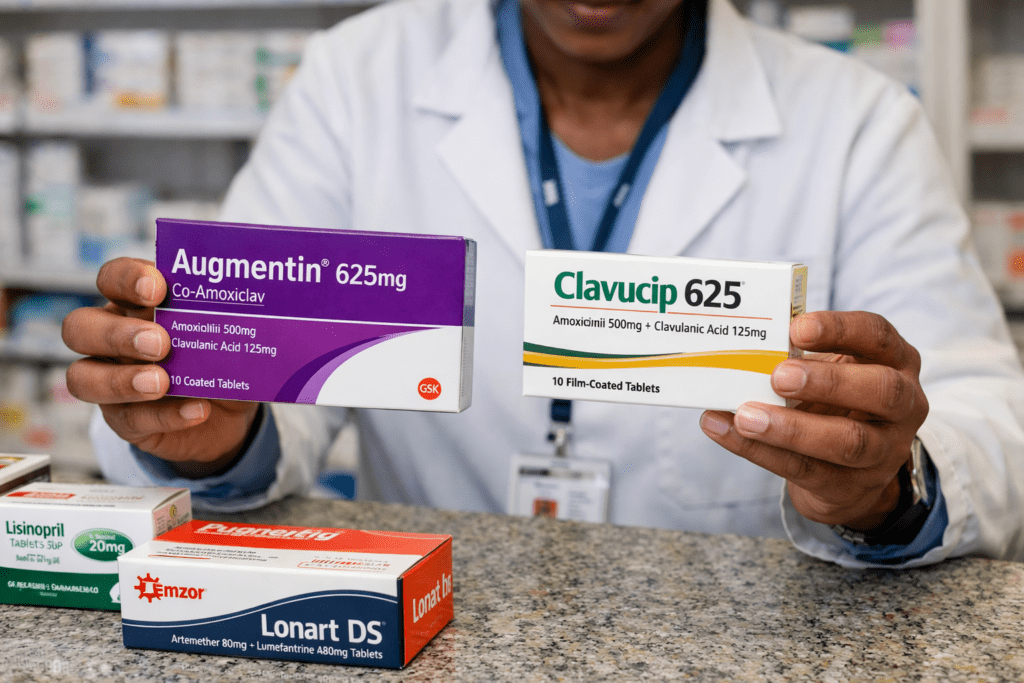
When you’re handed a prescription, you may notice two options: a branded medicine and a generic version. Many patients wonder whether choosing the cheaper option means compromising on quality. Let’s clear up the confusion and help you make informed decisions.
What Is the Difference Between Brand and Generic Medicines?
A brand-name medicine is the original product developed by a pharmaceutical company after years of research, testing, and approval.
A generic medicine is a copy of that original drug, produced after the patent expires. It contains the same active ingredient, works the same way, and is used for the same conditions.
Key differences:
- Name and packaging
- Price
- Inactive ingredients (like fillers or colorings)
But the core treatment effect remains the same.
Are Generic Medicines as Effective as Branded Ones?
This is the most common concern—and the answer is reassuring:
Yes, generic medicines are just as effective as branded ones.
Health authorities require generics to meet strict standards:
- Same active ingredient
- Same strength and dosage form
- Same route of administration
- Similar absorption rate in the body
Before approval, generics must prove bioequivalence, meaning they work in the body the same way as the original drug.
What this means for you:
- Same relief from symptoms
- Same safety profile
- Same treatment outcomes
Any differences are usually minor (e.g., tablet color or shape) and do not affect effectiveness.
Why Are Generic Medicines Cheaper?
Generic medicines cost less—but not because they’re inferior.
Here’s why they’re more affordable:
1. No Research & Development Costs
Brand companies spend years (and millions) developing new drugs. Generic manufacturers skip this stage because the drug is already proven.
2. No Patent Costs
Once a patent expires, other companies can produce the same medicine without licensing fees.
3. Lower Marketing Expenses
Branded drugs are heavily advertised. Generics rely less on marketing, which reduces costs.
4. Competition
Multiple manufacturers produce the same generic drug, which drives prices down.
Bottom line:
You’re paying less for the same therapeutic benefit—not lower quality.
How Do Pharmacists Choose Generic Substitutes?
Pharmacists don’t randomly swap medications—they follow strict professional guidelines.
1. Checking Active Ingredients
They ensure the generic contains the exact same active ingredient and strength.
2. Regulatory Approval
Only generics approved by recognized authorities are dispensed.
3. Patient Safety
Pharmacists consider:
- Allergies (e.g., to dyes or fillers)
- Existing medical conditions
- Drug interactions
4. Availability and Cost
They aim to provide the most accessible and affordable option without compromising care.
5. Doctor’s Instructions
If a prescription specifically states “no substitution,” pharmacists will not switch.
When Might Generics Not Be Substituted?
Although rare, there are cases where a branded drug may be preferred:
- Narrow therapeutic index drugs (e.g., certain epilepsy or thyroid medications)
- Patient-specific reactions to inactive ingredients
- Doctor’s explicit recommendation
In such cases, your pharmacist will guide you appropriately.
Conclusion
Choosing between brand and generic medicines doesn’t have to be confusing. Generics offer the same effectiveness, safety, and quality at a much lower cost, making healthcare more accessible for everyone.
If you’re ever unsure about your medication, don’t guess. Speak with a pharmacist who can guide you based on your specific needs.
Need help choosing the right medicine? Talk to one of our pharmacists online—we’re here to ensure you get safe, effective, and affordable treatment every time.
Sources
European Medicines Agency (EMA) – Bioequivalence Standards
World Health Organization (WHO) – Generic Medicines Guidance
U.S. FDA – Generic Drug Facts
NHS – Generic vs Brand Medicines
NAFDAC, Guidelines on the Investigation of Bioequivalence (2024/2025 search records). (NAFDAC)
You may also like
- Brand vs Generic Medicine: Are Generic Medicines Really as Effective?

- A Practical Guide to Weight Management, Weight Loss, and Nutrition
- A Guide to Preventive Health & Everyday Wellness
- Women’s Health, Made Simple: A Simple Guide for Healthy Living
- Men’s Health, Made Simple: A Guide to Feeling and Living Better